
Peirce Signs
Peirce
Part I Chance and Logic (Illustrations of the Logic of Science)…
Part I Chance and Logic (Illustrations of the Logic of Science)
The Fixation of Belief
How to Make Our Ideas Clear
The Doctrine of Chances
The Probability of Induction
The Order of Nature
Deduction, Induction and Hypothesis
Part II Love and Chance
The Architecture of Theories
The Doctrine of Necessity Examined
The Law of Mind
Man’s Glassy Essence
Evolutionary Love
1 What Do We Perceive? How Peirce “Expands Our Perception”…
1 What Do We Perceive? How Peirce “Expands Our Perception”
2 Perception as Inference
3 Inferential Modeling of Percept Formation: Peirce’s Fourth Cotary Proposition
4 Idealism Operationalized: How Peirce’s Pragmatism Can Help Explicate and Motivate the Possibly Surprising Idea of Reality as Representational
5 The Iconic Ground of Gestures: Peirce, Wittgenstein, and Foucault
6 Foundations for Semeiotic Aesthetics: Mimesis and Iconicity
7 Semiotics, Schemata, Diagrams, and Graphs: A New Form of Diagrammatic Kantism by Peirce
8 The Chemistry of Relations: Peirce, Perspicuous Representations, and Experiments with Diagrams
9 Graphs as Images vs Graphs as Diagrams: A Problem at the Intersection of Semiotics and Didatics
10 C S Peirce and the Teaching of Drawing
11 What Is Behind the Logic of Scientific Discovery? Aristotle and Charles S Peirce on Imagination
12 The Iconic Peirce: Geometry, Spatial Intuition, and Visual Imagination
13 Two Dogmas of Diagrammatic Reasoning: A View from Existential Graphs
PARTE I
A. DE PRINCÍPIOS DE FILOSOFIA
ESPÉCIES DE RACIOCÍNIO.
TRÍADES
A tríade no raciocínio.
A tríade na metafísica.
A tríade na psicologia
B. Elements of Logic
1. Partial Synopsis of a Proposed Work on Logic
1.1 Originality, Persistence, and Pervasiveness
1.2 Terms, Propositions, and Arguments
1.3 Clarity of Ideas
1.4 Abduction, Deduction, and Induction
1.5 Speculative Rhetoric
2. The Ethics of Terminology
3. Division of Signs
3.1 Foundation, Object, and Interpretant
3.2 Signs and Their Objects
3.3 Division of Triadic Relations
4. Trichotomies of Signs
4.1 First Trichotomy of Signs
4.2 Second Trichotomy of Signs
4.3 Third Trichotomy of Signs
5. Ten Classes of Signs
5.1 Degenerate Signs
6. Trichotomy of Arguments
6.1 Types of Propositions
7. Representation
Summary of Key Concepts
| Section | Core Themes |
|---|---|
| 1.1–1.5 | Foundational principles of logical reasoning and method. |
| 2 | Ethical and precise use of terminology in logical discourse. |
| 3 | Structural analysis of signs and their components. |
| 4 | Systematic classification of signs through three trichotomies. |
| 5 | Detailed categorization and identification of degenerate signs. |
| 6 | Logical forms of arguments and propositional types. |
| 7 | The nature and function of representation in semiotics. |
4. ÍCONE, ÍNDICE E SÍMBOLO
Ícones e Hipoícones.
Indices genuínos e degenerados.
A natureza dos símbolos.
Signo
Indice
Símbolo
PROPOSIÇÕES
As características dos dicissignos
Sujeitos e predicados
Dicotomias das proposições
Uma interpretação pragmática do sujeito lógico
A natureza da asserção
Proposições e argumentos rudimentares
Sujeito
Predicado
Predicação
Quantidade
Universal
Particular
Qualidade
Negação
Limitativo
Modalidade
6. TERMOS
Que estas concepções não são tão modernas quanto têm sido representadas
Dos diferentes termos aplicados às quantidades da extensão e compreensão
Dos diferentes sentidos nos quais os termos extensão e compreensão têm sido aceitos
Negações da proporcionalidaof the inverse of the two quantities, and suggestions of a third quantity
Three principal senses in which comprehension and extension will be considered in this essay
The conceptions of quality, relation, and representation, as applied to this subject
Supplement of 1893
7.1. Significance and application
7. THE GRAMMATICAL THEORY OF JUDGMENT AND INFERENCE…
THE GRAMMATICAL THEORY OF JUDGMENT AND INFERENCE
Judgments.
THE LOGICAL BASIS OF SYNTHETIC INFERENCE.
WHAT IS MEANING?, BY LADY WELBY.
C. OF CORRESPONDENCE
- SIGNS
PART II
A. DEAPOLOGY OF PRAGMATISM
GRAPHS AND SIGNS
UNIVERSES AND PREDICAMENTS
B. OF PRAGMATISM AND PRAGMATICISM
THE ARCHITECTURAL CONSTRUCTION OF PRAGMATISM
THE THREE TYPES OF GOOD
The divisions of philosophy
The ethical good and the aesthetic good.
The good of logic.
3. THREE KINDS OF REASONING
Perceptual judgments and generality
The plan and stages of reasoning
Inductive reasoning
Instinct and abduction
Meaning of an argument
PRAGMATISM AND ABDUCTION
The three coterminous propositions
Abduction and perceptual judgments
Pragmatism - The logic of abduction
The two functions of pragmatism
QUESTIONS CONCERNING CERTAIN FACULTIES CLAIMED BY MAN
6. SOME CONSEQUENCES OF FOUR DISABILITIES
The spirit of Cartesianism
Mental action
Thought-signs
WHAT IS PRAGMATISM
The experimentalists’ conception of assertion
Nomenclature philosophical
Pragmaticism
Pragmaticism and Hegelian absolute idealism.
C. OF PHILOSOPHY OF SPIRIT
I. CONSCIOUSNESS AND LANGUAGE
D. OF REVIEWS
THE WORKS OF GEORGE BERKELEY: THE FRASER EDITION
The formulation of realism
Scatus, Ocam and Hobbes
Berkeley’s philosophy
Science and realism
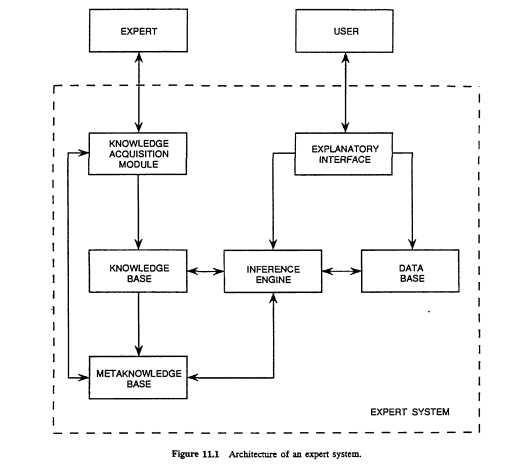
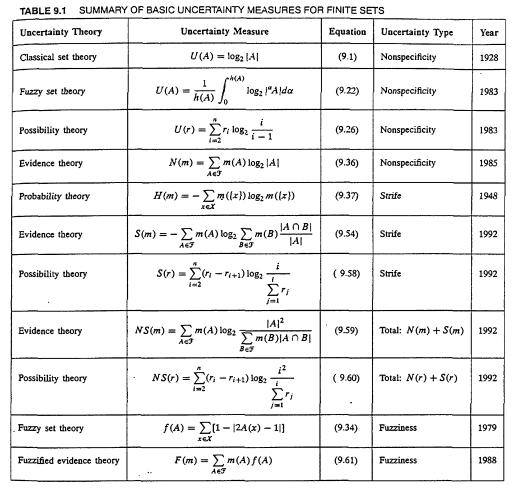




Esquema da cadeia significante e a produção de sentido - Algo fica de fora (Fenomenologia do espírit…
Esquema da cadeia significante e a produção de sentido - Algo fica de fora (Fenomenologia do espírito + A crítica da razão pura) - Vício de gozo - Esquema dos Toros - Enlaçamento de Toros === Inconsciente
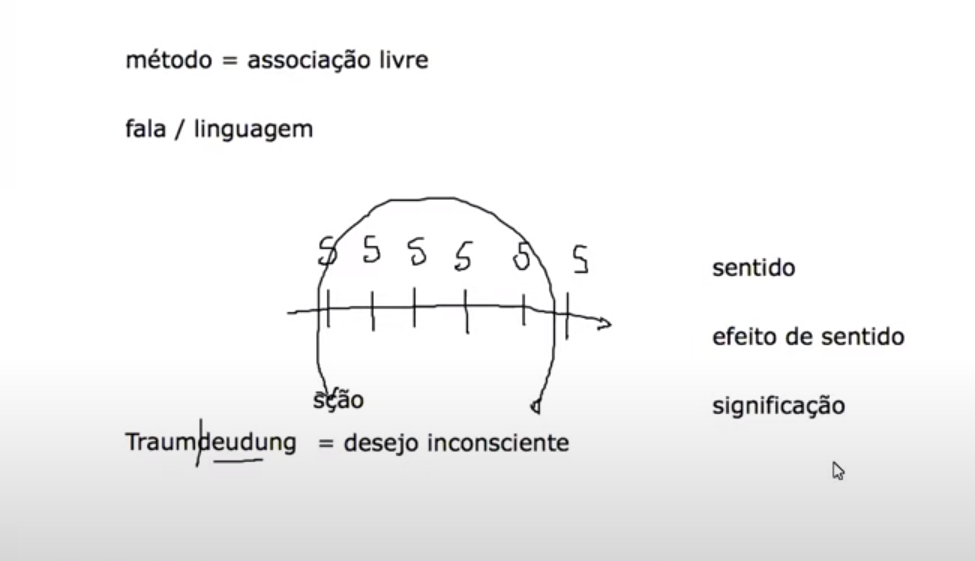
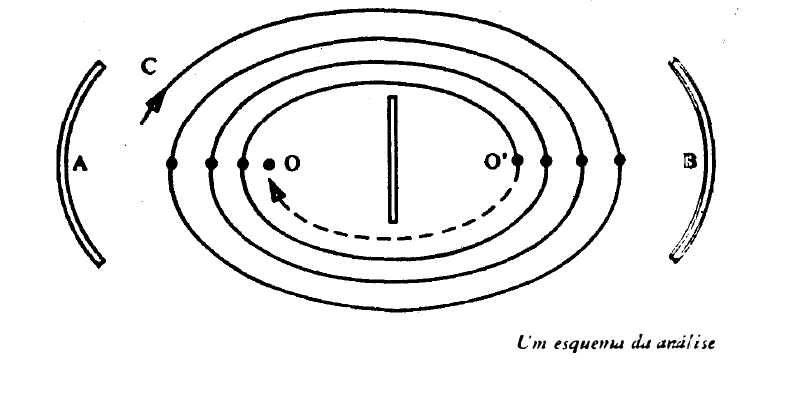
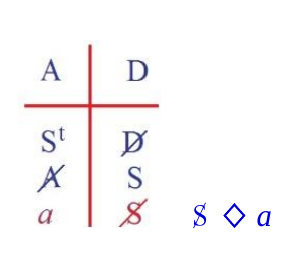
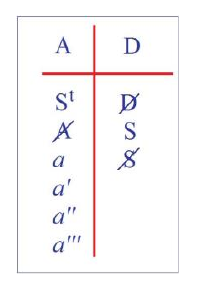
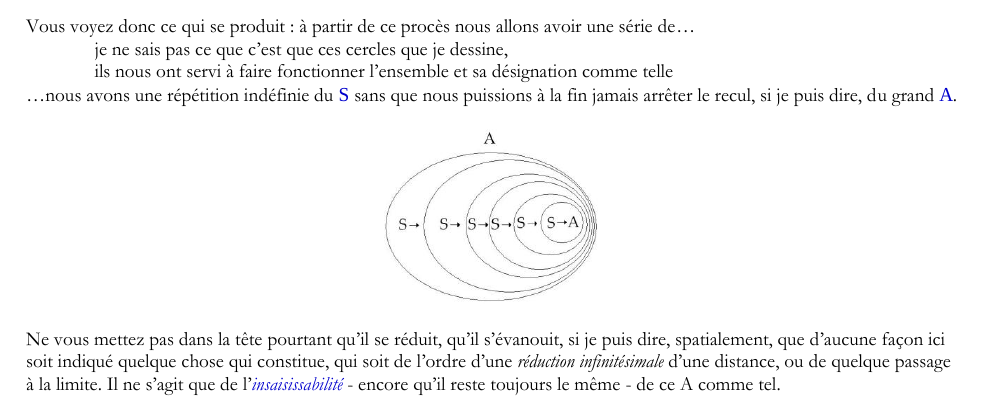
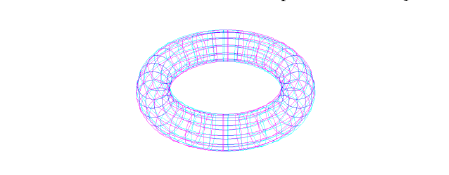
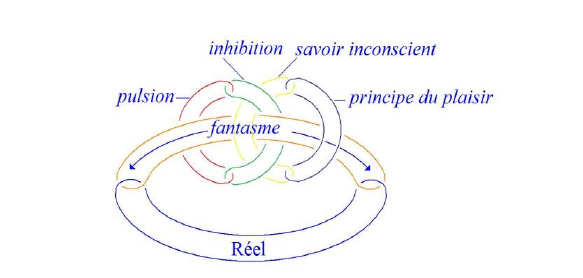
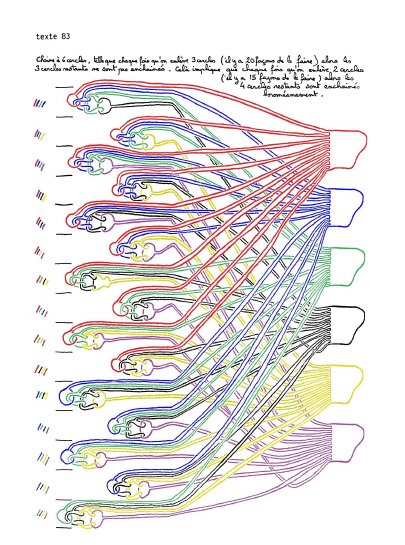
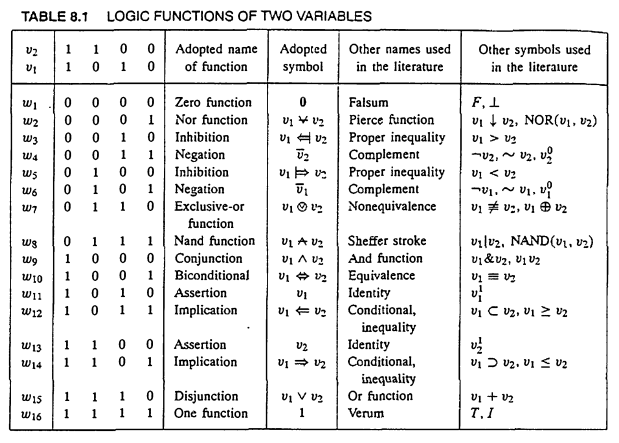
Imagem Real, Virtual - Espelhos planos, côncavos e convexos - Lentes convemerging, diverging - Image…
Real and Virtual Image - Flat, concave and convex mirrors - Converging and diverging lenses - Upright, inverted, larger or smaller image - Physical Properties - Equations