

Startup Checklist
Startup Checklist
Translate Your Idea into a Compelling Business Model
Craft a Lean Business Plan to Serve as Your Venture’s Road Map
Find and Know Your Competitors
Build Your Dream Team
Allocate the Equity in Your Startup
Build a Minimum Viable Product and Validate Your Plan with Customers
Establish Your Brand with Online Public Profiles
Network Effectively Within the Entrepreneurial Ecosystem
Checklist
Incorporate Your Company for Protection and Investment “ Lawyer Up ” the Right Way Recruit Your Boards of Directors and Advisors Select an Accountant and an Accounting System Establish and Manage Your Credit Profile Open Bank, Credit Card, and Merchant Accounts Choosing Your Key Technologies , Platforms, and Vendors Measure Your Business with Data Analytics Round out Your Team with Employees and Freelancers Establish a Stock Option Plan to Incentivize Your Team Understand the Funding Process and What Investors Want to See Nurture Your Investor Pipeline Crowdfunding and Online Platforms Survive the Term Sheet Negotiation and Investor Due Diligence Get the Most from Your Investors, Now and in the Future Understand Your Company’s Valuation Keep Your Eye on the Exit and Reap the Benefits of Success
Chapter 1: Translate Your Idea into a Compelling Business Model…
Chapter 1: Translate Your Idea into a Compelling Business Model
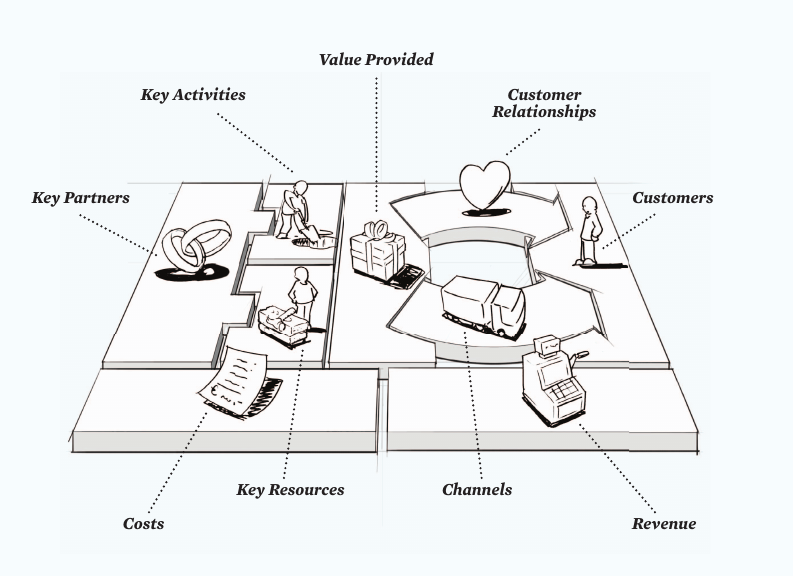
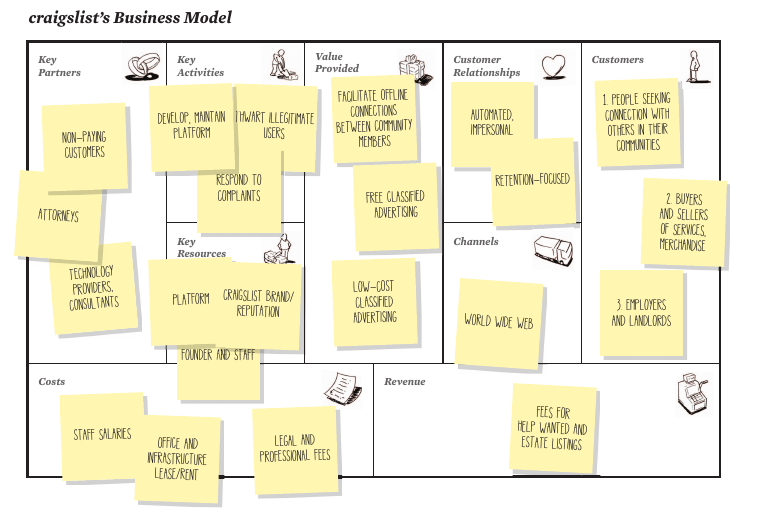
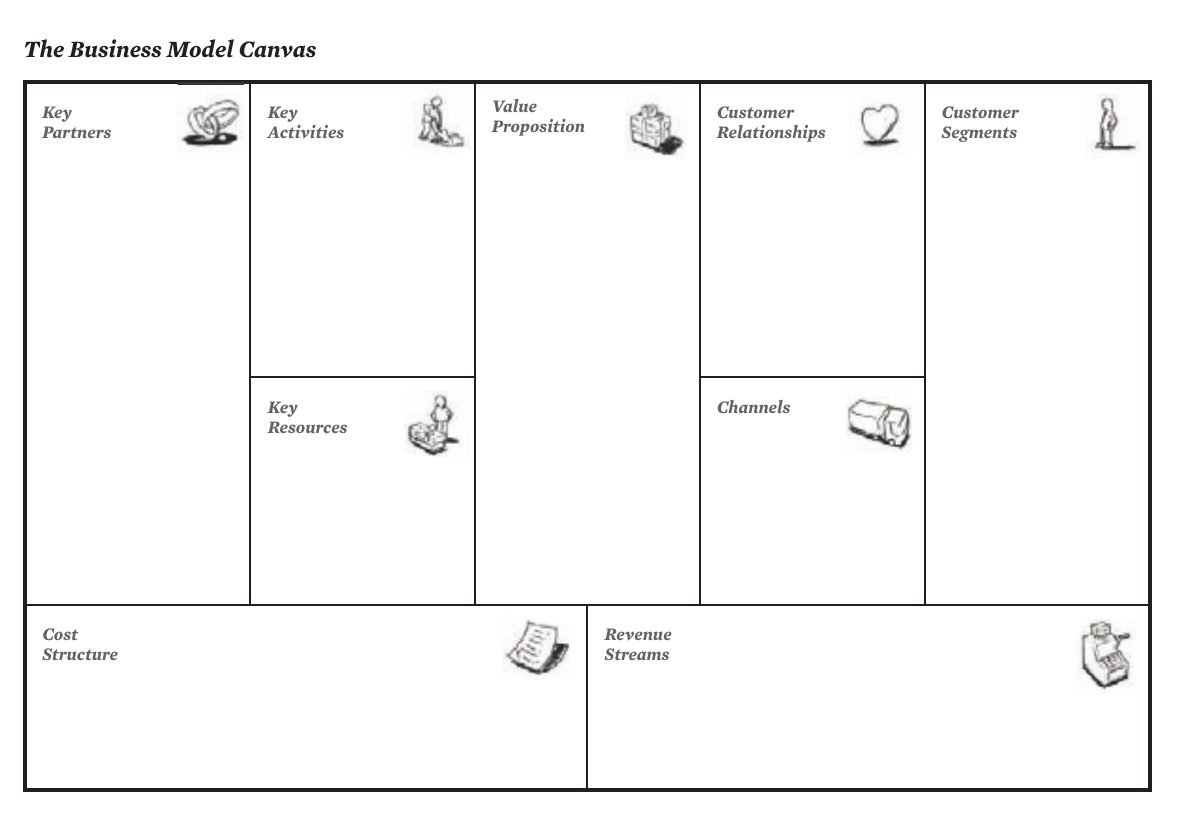
Elements of the Business Model
The Importance of Understanding Your Business Model
Developing a Scalable Startup Business
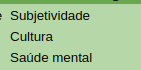
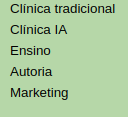
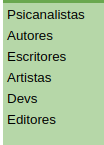
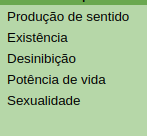

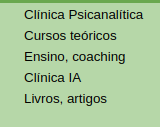


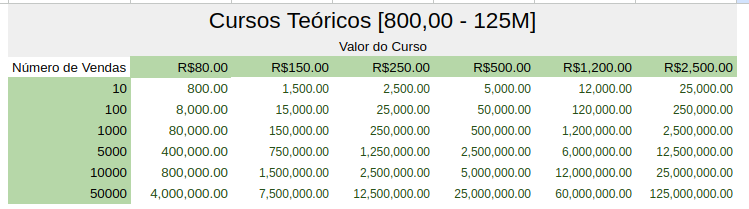
Produtos Psicanálise
Fala, Textos, Vídeos - Ferramentas
Clínica tradicional - Cursos Teóricos - Livros - Parcerias - Redes Sociais: YouTube, Instagram, Tiktok
Fala, Textos, Vídeos
Clínica tradicional (Agende) - Supervisão clínica - Grave e envie/Receba um Feedback (AI ou Pessoa, async) - Cursos Teóricos (Literatura, Aulas, Professor) - Livros (Escrita e Publicação) - Parcerias, Marketing (Inibição) - Redes Sociais: YouTube, Instagram, Tiktok (Ferramentas, Como fazer)
Produtos Psicanálise
Chapter 2: Craft a Lean Business Plan to Serve as Your Venture’s Road Map…
Chapter 2: Craft a Lean Business Plan to Serve as Your Venture’s Road Map
The Principles of Lean Business Planning
How to Make a Lean Business Plan
Produtos
Agende com um Psicanalista
Host: Vídeos, textos, mídias sociais
Lorem ipsum dolor sit amet
Sed do eiusmod tempor incididunt ut labore
Modelo de Negócio
Basic site flow
Coursera: Courses, Books, Articles
Schedule with Professors, Coaches, Researchers
Purchases, Payments
P for Growth
Deliverable 3
IA
Sed do eiusmod tempor incididunt ut labore
Text, audio and video processing
Sync + Async
Social Media
Deliverable 4
Texts, Podcasts, Videos
The style is yours man
Chapter 3: Find and Know Your Competitors
Identifying Your Competitors
Evaluating the Competition
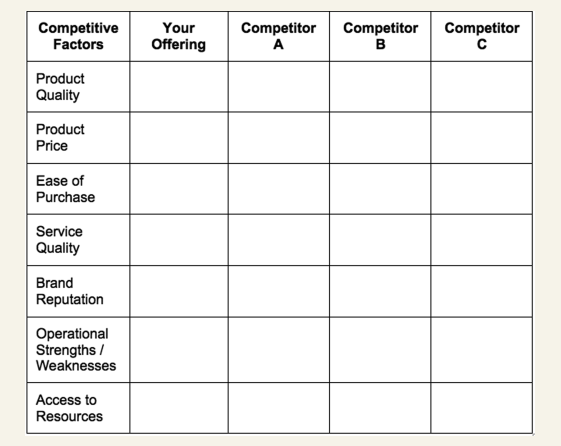
Developing a Competition Visualization
Professional Services and Online Tools for Competitive Analysis
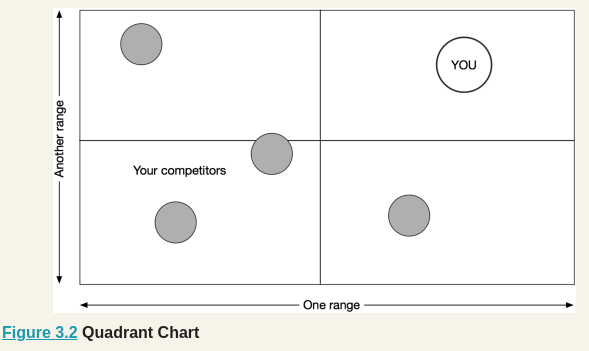
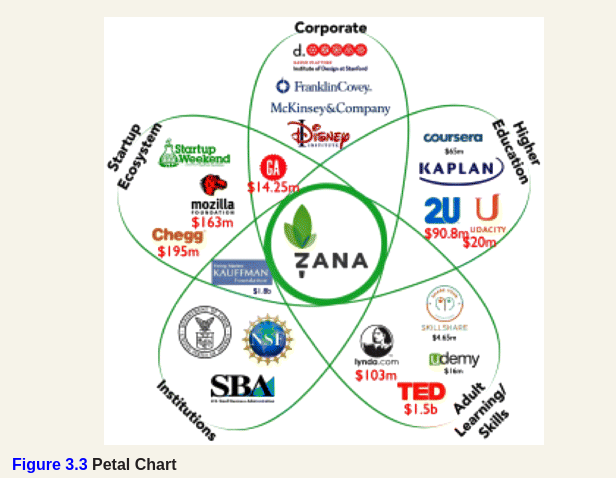
Case Maria Homem
Act as a psychoanalyst
Videos, texts, social media
The customer is very happy
But I give them such a time as labor
Business Model
Traditional
Coursera: Courses, Books, Articles
Teachers, Coaches, Researchers
Shopping, Payments
P for Growth
Lorem ipsum dolor sit amet
Sed do eiusmod tempor incididunt ut labore
Deliverable 3
AI?
Lorem ipsum dolor sit amet
Sed do eiusmod tempor incididunt ut labore
Text, audio and video processing
Sync + Async
Social Media
Deliverable 4
Lorem ipsum dolor sit amet
Sed do eiusmod tempor incididunt ut labore
Texts, Podcasts, Videos
Style is the man himself
International Association of Psychoanalysis
Schedule with a Psychoanalyst
Videos, texts, media social
Lorem ipsum dolor sit amet
Sed do eiusmod tempor incididunt ut labore
Business Model
Traditional
Coursera: Courses, Books, Articles
Professors, Coaches, Researchers
Purchases, Payments
P for Growth
Lorem ipsum dolor sit amet
Sed do eiusmod tempor incididunt ut labore
Deliverable 3
IA?
Lorem ipsum dolor sit amet
Sed do eiusmod tempor incididunt ut labore
Text, audio and video processing
Sync + Async
Social Media
Deliverable 4
Lorem ipsum dolor sit amet
Sed do eiusmod tempor incididunt ut labore
Texts, Podcasts, Videos
The style is O proper man
Casa do Saber
Act as a psychoanalyst
Videos, texts, social media
The customer is very happy
But I give them such a time as labor
Business Model
Traditional
Coursera: Courses, Books, Articles
Forfessores, Coaches, Researchers
Purchases, Payments
P for Growth
Lorem ipsum dolor sit amet
Sed do eiusmod tempor incididunt ut labore
Deliverable 3
AI?
Lorem ipsum dolor sit amet
Sed do eiusmod tempor incididunt ut labore
Text, audio and video processing
Sync + Async
Social Media
Deliverable 4
Lorem ipsum dolor sit amet
Sed do eiusmod tempor incididunt ut labore
Texts, Podcasts, Videos
Style is the man himself
AI
Schedule with a Psychoanalyst
Videos, texts, social media
Lorem ipsum dolor sit amet
Sed do eiusmod tempor incididunt ut labore
Business Model
Traditional
Coursera: Courses, Books, Articles
Teachers, Coaches, Researchers
Shopping, Payments
P for Growth
Lorem ipsum dolor sit amet
Sed do eiusmod tempor incididunt ut labore
Deliverable 3
IA?
Lorem ipsum dolor sit amet
Sed do eiusmod tempor incididunt ut labore
Text, audio and video processing
Sync + Async
Social Media
Deliverable 4
Lorem ipsum dolor sit amet
Sed do eiusmod tempor incididunt ut labore
Texts, Podcasts, Videos
Style is the man
Chapter 4: Build Your Dream Team
The Crucial Talents Required to Launch a New Venture…
The Crucial Talents Required to Launch a New Venture
Which Pieces Do You Have? Which Pieces Do You Lack?
Establishing Expectations Among the Members of Your Founding Team
Founders: ZayaDev: ?
Editor: ? Psicanalistas Financeiro, Processos, Produto, Gerentes, Advogado, Recrutamento, Contrato, Financeiro, Processo, Methodology, Cultura, Tarefas
Team
Designer, Video Editor - % of sales + % of clinic new clients…
Designer, Video Editor - % of sales + % of clinic new clients
+1 or +2 Developers (Fullstack, DevOps, Frontend) - - Marketing - Finance (Excel, Data Analysis)
Fundadores - % de vendas + % clinica new clients - Contrato, Direito, Financeiro…
Fundadores - % de vendas + % clinica new clients - Contrato, Direito, Financeiro
What kind of business are we launching? What is our profit-making model? What kind of growth expectations do we have?
What role will each member of the founding team play in building the business?
How much time will each member of the team be expected to contribute? Is this a full-time work commitment for all of the team members?
Expectations
What other resources will each member of the team contribute? These resources could include specific…
What other resources will each member of the team contribute? These resources could include specific talents and skills; individually owned pieces of intellectual property (such as product designs, software code, written documents, patents, copyrights, trademarks, and so on); personal contacts and networking abilities; access to physical assets (such as work spaces, machinery, or tools); and financial resources.
How will decisions affecting the business be made? Ultimately, even in equal partnerships, one member of the founding team must have the ultimate decision-making authority, otherwise the company risks being locked in indecision… and thatt is the one thing it cannot afford. So which member of the founding team will be the entrepreneurial CEO?
What personal goals does each member of the founding team bring to the business? How many months or years does each member expect to remain engaged in the business? How do the team members’ personal life goals fit with the growth expectations for the business?
Exchanges, Social Bonds
Capital: it is possible to get rich and go bankrupt
Work hard and earn little
Work little and earn a lot
Expectations
Designer, Video Editor - % of sales + % of new clients…
Designer, Video Editor - % of sales + % of new clients
+1 or +2 Developers (Fullstack, DevOps, Frontend ) - - Marketing - Financial (Excel, Data Analysis)
Founders - % of sales + % of new clients - Contract, Law, Financial…
Founders - % of sales + % of new clients - Contract, Law, Financial
Chapter 5: Allocate the Equity in Your Startup
Allocating Equity
Equity Control and the Rights of the Founder 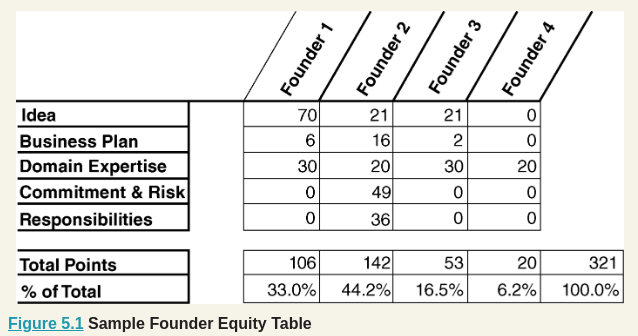
Financial
% of down payment - + - % of company shares
The investors will effectively have veto power over things like: Selling, liquidating, dissolving, o…
The investors will effectively have veto power over things like: Selling, liquidating, dissolving, or winding up the affairs of the company
Amending, altering, or repealing any provision of the certificate of incorporation or bylaws
Creating any other class of equity having rights, preferences, or privileges senior to or on parity with the current investors
Increasing the authorized number of shares
Purchasing, redeeming, or paying any dividend prior to the investors
Authorizing the company to take on any debt greater than $X
The bottom line: Don’t worry about specific equity percentages in the case of a startup. Instead, si…
The bottom line: Don’t worry about specific equity percentages in the case of a startup. Instead, sit down with your cofounder(s), lawyer, and mentors and discuss what things are most important to you. Making money? Remaining in control? Having the title of founder/CEO/chairman? Bringing in a value-adding partner? Once you know what you want, you can negotiate rationally and calmly for your interests while being flexible on your positions.
Chapter 6: Build a Minimum Viable Product and Validate Your Plan with Customers…
Chapter 6: Build a Minimum Viable Product and Validate Your Plan with Customers
Conducting Marketplace Experiments
The Wisdom of the Crowd
Chapter 7: Establish Your Brand with Online Public Profiles…
Chapter 7: Establish Your Brand with Online Public Profiles
Yes, You Need a Website
Help People Find Your Site
Help People Find Your Company
@zayabarrini
Instagram, Youtube, Tiktok
Meetups
Business Plan Competitions
Startup Conferences and Launch Events
Accelerators and Demo Days
Angel Groups
Score
Peer Programs for Entrepreneurs
Chapter 8: Network Effectively Within the Entrepreneurial Ecosystem…
Chapter 8: Network Effectively Within the Entrepreneurial Ecosystem
Launch and Build Your Company
Benefits of Incorporation
Delaware? But I Don’t Live in Delaware!
So, Um, How Do I Incorporate a Company?
Naming Your Business
Chapter 9: Incorporate Your Company for Protection and Investment…
Chapter 9: Incorporate Your Company for Protection and Investment
You would be personally responsible for all of the business’s debts and losses, and, if the company …
You would be personally responsible for all of the business’s debts and losses, and, if the company fails, its creditors could come after your personal possessions, including your home.Since you can’t divide a person, the business also can’t be divided. You couldn’t have investors or partners, nor could you provide options to any employees.
As a nonentity, there are a host of other things your business could not do, from getting commercial plates for your car to setting up a 401(k) plan.
Naming Your Business
How to Choose a Startup Attorney
Major Legal Matters for Which Your Startup Will Need a Lawyer
Budgeting for Legal Expenses
When and How to Change Your Law Firm
Chapter 10: “Lawyer Up” the Right Way
Formation/organization documentation and administration: This technical legal function is essential …
Formation/organization documentation and administration: This technical legal function is essential and includes a number of decision points that can have a real impact on the future of the business. In the last chapter we saw that incorporating your company in Delaware was pretty easy … but, in fact, it’s everything that comes afterward that can get you into big trouble.
Validation and credibility: While this may not be as important as a law firm will claim, there is truth to it. Because all of the major startup law firms have more potential clients than they can handle, they are choosy about whom they work with, so having a top-tier venture firm as your lawyer provides comfort to investors and reassures others that you are legitimate and should be reasonable to work with.
Relationships: Any good venture lawyer spends most of his or her professional time working with peop…
Relationships: Any good venture lawyer spends most of his or her professional time working with people on both sides of the table, and therefore can make suggestions (and sometimes introductions, if warranted) to investors, advisors, and other companies in the industry.
Counsel: While we call lawyers our corporate “counsel,” the truth is that they are not (and probably should not be) your primary source of business advice. But often, any advice from a smart person is better than nothing, and sometimes there aren’t other people to turn to.
Knowledge of market conditions: Because negotiating and documenting (colloquially known as “papering”) deals is what startup lawyers do, they have more experience than a typical entrepreneur when it comes to market terms, such as valuation, protective provisions, and the like. Assuming your lawyer is a smart, active, experienced deal maker, trust his or her advice when it comes to negotiating terms. (But note those assumptions! An inexperienced lawyer can kill a deal faster than a speeding bullet.)
Delaware articles of incorporation (needed before you file)…
Delaware articles of incorporation (needed before you file)
SS-4 form (application for a federal employer identification number)
Foreign corporation registration (“foreign” means your home state)
Local business registration, and any licenses and permits that are applicable
Action of sole incorporator
Bylaws
Organizational action of board
Suite of stock grants and board action authorizing the same: configuration of a notice, stock purchase agreement, stockholders agreement or equivalent terms built into the stock purchase, spousal consent, 83(b) filings
Board action authorizing form employment agreements
Recording of loans and other financial and nonfinancial contributions by founders and initial funders
409A valuation review
Advisors agreement
Board member agreement
Indemnification agreement
Funding agreements, including convertible notes (note and note purchase agreements) and/or equity funding (stock purchase, investors’ rights, voting, right of first refusal and cosale agreements, amended articles, various certificates, schedules, and disclosures)
Various ongoing government reports/filings
Stock option documents: stock plan, grant notice/agreement, exercise notice/agreement [standard and early exercise, which includes 83(b)], stockholders agreement built in or standalone, spousal consent, regulatory filings (if any) for stock plan
Ongoing board, shareholder approvals for all of the above
Terms and conditions, sales agreements, privacy policy, user agreements, etc. as applicable to the business
Special agreements unique to the business or its industry segment
Strategic partnerships, development agreements, vendor agreements, etc.
Various board and shareholder actions, minutes
Your Employment Lawyer
All of the paperwork to recruit, hire, fire, and manage employees.
Suite of employment agreements (proprietary information agreement and job offer/employment agreement)
Severance agreements
Case-by-case advice on special situations involving employment agreements, disputed exits and possible lawsuits, founder entries and departures, and independent contractors
Human resources forms (antiharassment policies, employee handbooks, etc.)
Your Intellectual Property (IP) Lawyer
Everything to do with information, knowledge, and intangible property.
Contractor agreements (ongoing, timebased, and special purpose)
Nondisclosure agreement
IP assignment agreement
Patents
Copyrights/trademarks; advice on names and name conflicts for company, website, application, product or service
Trade secrets
Founders: Zaya, RayssaDev
EditorPsicanalistasFinanceiro, Processos, ProdutoGerentes, AdvogadoRecrutamentoContrato, Financeiro, Processo, Metodologia, CulturaTarefas
Peterson?
Understanding the Composition of the Board
The Role of the Chairman of the Board
Keys to Assembling a Great Board of Directors
Maximizing the Value Created by Your Company’s Board
The Role of a Board of Advisors
Startup Mentors for Your Entrepreneurial Journey
Chapter 11: Recruit Your Boards of Directors and Advisors…
Chapter 11: Recruit Your Boards of Directors and Advisors
Wealth—as in investors who can write checks and help with fundraising in future rounds;…
Wealth—as in investors who can write checks and help with fundraising in future rounds;
Work—as in directors with specific skills who can be helpful in recruiting, business development, customer introductions, exit analyses, and so on; and finally,
Wisdom—in the form of smart, experienced mentors who can provide sage advice to the CEO from an objective perspective.
Board of advisors
Chapter 12: Select an Accountant and an Accounting System…
Chapter 12: Select an Accountant and an Accounting System
Business Finance 101
How (and Why) to Hire a Good AccountantChoosing and Using Online Accounting Tools
Salário: 1500.00
Pay myself and other Founders
Prepare monthly, quarterly, and annual financial reports…
Prepare monthly, quarterly, and annual financial reports.
Work with you to manage your financial projections.
Prepare financial documents for potential investors.
Offer you and your leadership team financial advice and guidance.
Finally, some things simply must be done by your accountants. (Remember them?) These include:
Preparing your corporate tax returns and dealing with the Internal Revenue Service as needed and
Preparing reviews or audits of your financial statements if requested or required by potential investors.
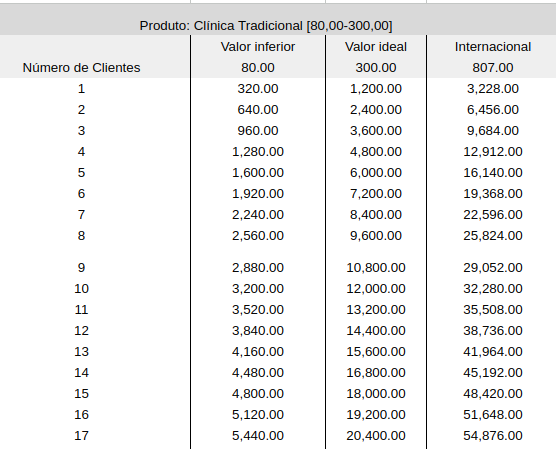
Basics of Business Credit
Starting Your Credit Profile with a D-U-N-S Number
Building and Maintaining a Good Credit Profile
Why and How to Keep Tabs on Your Credit Report
Chapter 13: Establish and Manage Your Credit Profile…
Chapter 13: Establish and Manage Your Credit Profile
Keep the sums of money you borrow to support your business relatively small and manageable…
Keep the sums of money you borrow to support your business relatively small and manageable.
Pay off the amounts you borrow as quickly as possible.
Avoid amassing significant levels of debt, which lead to costly interest charges.
Keep close tabs on your personal credit rating, making sure that the business debt you incur isn’t causing damage to your personal financial status.
Chapter 14: Open Bank, Credit Card, and Merchant Accounts…
Chapter 14: Open Bank, Credit Card, and Merchant Accounts
Working with Your Bank
Kinds of Financial Credit and How to Use Them Wisely
Receiving Credit Card Payments
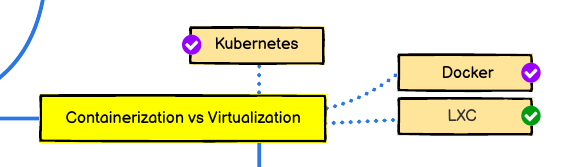
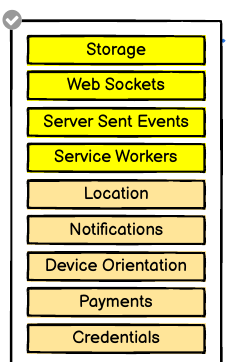
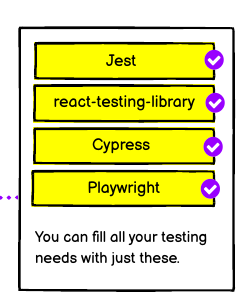
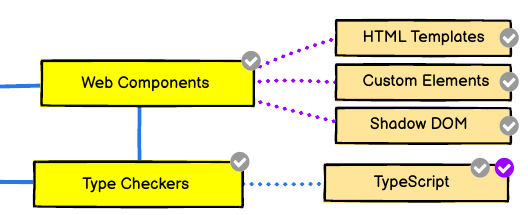
Chapter 15: Choosing Your Key Technologies, Platforms, and Vendors…
Chapter 15: Choosing Your Key Technologies, Platforms, and Vendors
Hardware
Office Suite
Cloud Hosting
Other Platform Choices
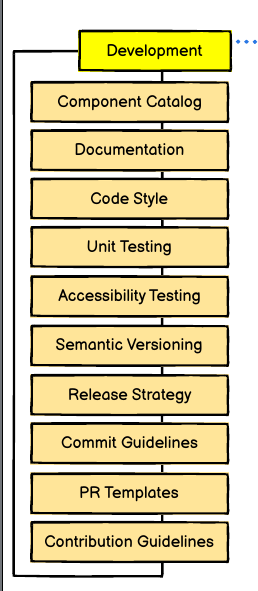
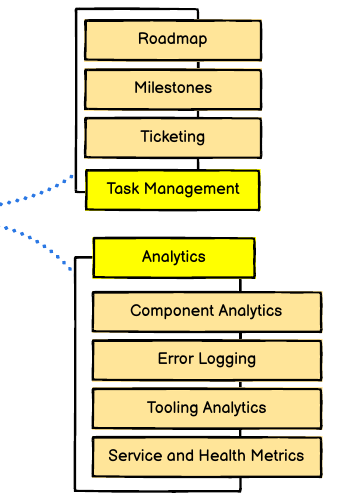
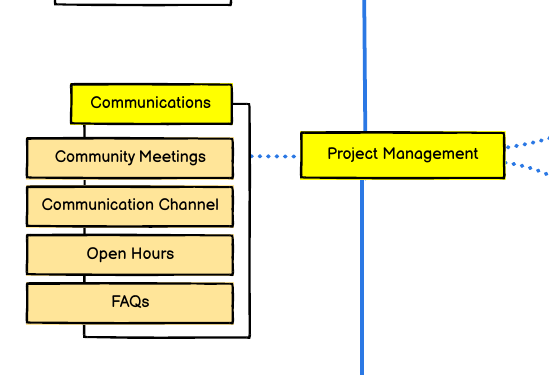
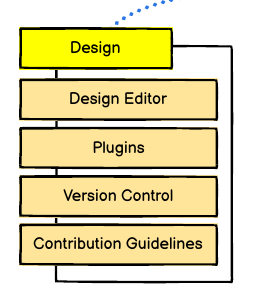
Dev Stack

Use Your MVP to Establish Baseline Metrics and Begin Experimental Improvements…
Use Your MVP to Establish Baseline Metrics and Begin Experimental Improvements
How to Make Sure That the Metrics You Gather and Analyze Are Meaningful
Tools for Analytics
Key Growth Issues to Study withLean Analytics
Chapter 16: Measure Your Business with Data Analytics…
Chapter 16: Measure Your Business with Data Analytics
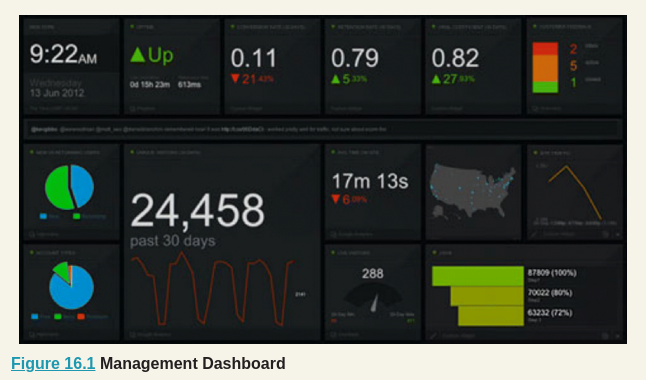


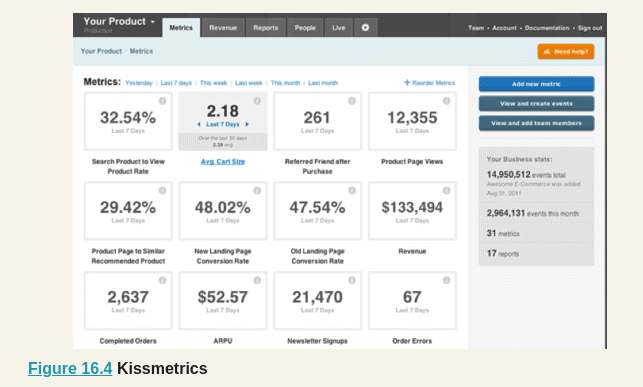

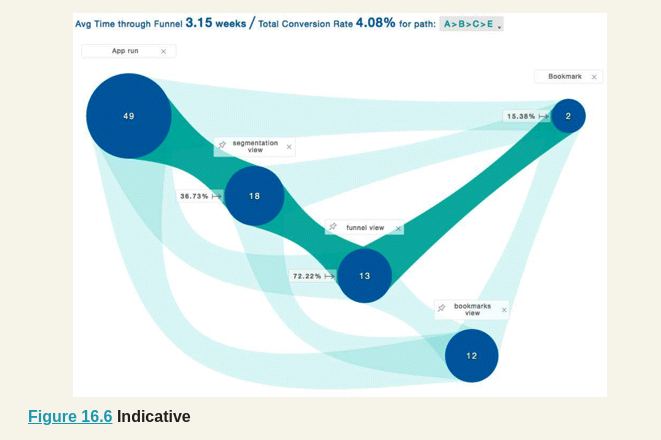
Promoters (score 9–10) are loyal enthusiasts who will keep buying and refer others, fueling growth…
Promoters (score 9–10) are loyal enthusiasts who will keep buying and refer others, fueling growth.
Passives (score 7–8) are satisfied but unenthusiastic customers who are vulnerable to competitive offerings.
Detractors (score 0–6) are unhappy customers who can damage your brand and impede growth through negative word-of-mouth.
Recruiting and Hiring Employees
The New Hire Draft Board
Using Employment Contracts
Building a Corporate Culture That Is Authentic, Universal, and Consistent
Work/Life Balance and a Supportive Corporate Culture
The Outsourcing Alternative
Chapter 17: Round out Your Team with Employees and Freelancers…
Chapter 17: Round out Your Team with Employees and Freelancers
You need a strong core of team leaders who are extremely talented at what they do, are a great fit f…
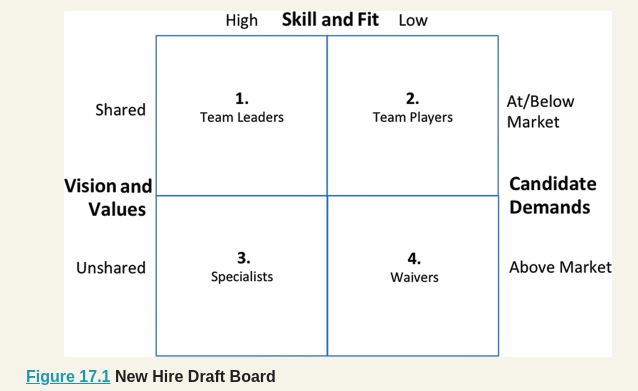
You need a strong core of team leaders who are extremely talented at what they do, are a great fit for your system, share the desired vision and values, and will work at a fair price relative to market rates.
You need a deep bench of team players who aren’t yet as talented as the starters (or lack the same level of job fit), but buy into the desired organizational culture, and do so at fair market price.
You want to avoid using specialists who, if placed in a leadership position, can quickly turn the organizational culture toxic or tip the payroll balance by demanding exorbitant fees to be part of the core team.
You must avoid hiring and retaining waivers, who don’t have the skills, aren’t a fit, don’t buy into the vision and values, or make it too expensive in time, energy, and/or money to keep around.
Team
Managing Your Option Plan and Cap Table
409(a) Valuations and the Meaning of “Fair Market Value”
Chapter 18: Establish a Stock Option Plan to Incentivize Your Team…
Chapter 18: Establish a Stock Option Plan to Incentivize Your Team
If the company goes on to be very successful, there’s a chance that their equity share may make them…
If the company goes on to be very successful, there’s a chance that their equity share may make them extremely rich. So getting in on the ground floor of a promising business is attractive to a degree that the salary alone rarely justifies. -
In today’s market, that means that an employee stock option plan is mandatory. -
The company establishes what is known as an option pool, consisting of a block of shares of common stock that are reserved for use when employees or others eventually exercise their options. An option is precisely what it sounds like—a piece of paper giving the holder the option of purchasing a share of stock. The company must ensure that it will always have those shares available. -
In contrast, when investors come along, they are directly purchasing shares of stock from the company, and as part of the process the company will authorize and issue new shares (which will, of course, have the effect of diluting the ownership stake of anyone who already has shares).
Option Pool (10% - 20% of the company’s ownership)…
Option Pool (10% - 20% of the company’s ownership)
Vesting
Reverse vesting
Number of options permitted
Your initial cap table starts with the incorporator of the company owning 100 percent of the equity;…
Your initial cap table starts with the incorporator of the company owning 100 percent of the equity; your startup lawyer will take care of the legal work involved with establishing your company’s option plan. That’s the easy part. The problem is that the minute you start hiring employees, giving advisors equity, or raising money from investors, things start getting complicated very fast.
CAP table/option management
Gust
Capshare
eShares
Ipreo
Solium
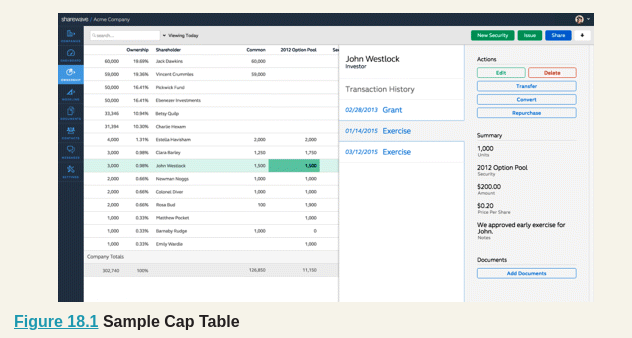
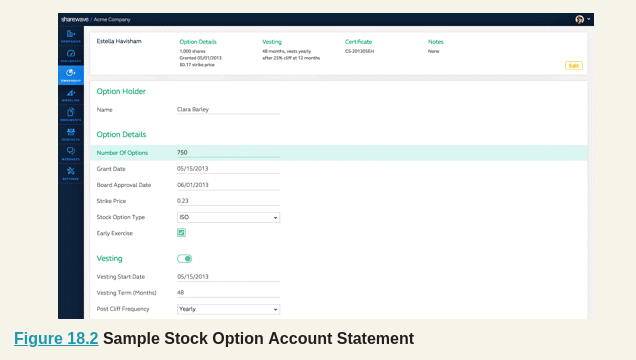
10% ações para os trabalhadoresAutoria, arte, sentido
Team
Part III: Raise Funds; Collaborate with Investors; Plan for Your Exit…
Part III: Raise Funds; Collaborate with Investors; Plan for Your Exit
How Much Money Can I Raise, and from Whom?
The Investment Process and the Funding Round
What Are Investors Looking For?
Yes, Virginia, There May Actually Be Some Free Money.
Chapter 19: Understand the Funding Process and What Investors Want to See…
Chapter 19: Understand the Funding Process and What Investors Want to See
From $0–$25,000 you will likely be investing your own cash from your own pocket; otherwise no one el…
From $0–$25,000 you will likely be investing your own cash from your own pocket; otherwise no one else will be comfortable investing at all. This money stays in and is part of what makes up your founder’s equity (along with your work and your intellectual property).
From $25,000–$150,000 you will likely be rounding up friends and family to put in the first outside cash on top of yours. This will usually be recorded as a straight sale of common stock, or as a convertible note that converts into the same security as the next professional round, but at a discount (which is actually better for everyone). I’ll discuss the mechanics of these investments in Chapter 22.
From $150,000–$1.5M you are in business angel territory, either by lucking into one really rich and …
From $150,000–$1.5M you are in business angel territory, either by lucking into one really rich and generous angel or (more likely) pulling together a bunch of individuals (at $10,000–$100,000 each) or one or more organized angel groups, or one or more micro-VCs (super angels) or seed funds. They will invest either in the form of a convertible note (with a cap on valuation), or else in a Series Seed or Series A convertible preferred stock round, using similar documentation to that used by larger venture capital funds (which we’ll cover in Chapter 22).
From +/– $1.5M up to about $10M you are looking at early stage venture capital funds, which uses something like the National Venture Capital Association’s Model Series A documents. They will make their first investment about half of what they’re prepared to put in, with the rest coming in one or more follow-on rounds if you execute your plan successfully.
North of, say, $10M–$20M, you’d be getting money from a later stage venture capital fund whose paperwork will be similar to the earlier VCs. They will put in larger amounts of cash, but your valuation will be much higher, so they may end up with a smaller stake than the earlier investors (who would likely continue to invest in each round to maintain their percentage ownership).
The ideal lead investor will have the following characteristics:…
The ideal lead investor will have the following characteristics:
“Smart money,” which means they know the startup business and the particular domain of the company, and can be helpful in many ways going forward
A strong commitment to the company, so they will devote time and effort to the company during and after the fund-raising round
A significant amount of money they are willing to invest (typically, at least 25–50 percent of the target raise)
Deep pockets (that is, more cash reserved for follow-on rounds)
A network of other investors to whom they can introduce the company
Good personal chemistry with the entrepreneur
When to Connect with Investors
How to Connect with Investors
When to Tell an Investor “Thanks but no Thanks”
The Materials You Will Need to Pitch an Investor
Chapter 20: Nurture Your Investor Pipeline
When to Tell an Investor “Thanks but no Thanks”
Written Documents
A one-page overview/teaser.
A two- to three-page executive summary.
A slide deck specifically designed to be handed out.
A thoughtful, comprehensive business plan—either a carefully prepared and annotated Business Model Canvas that you prepared in Chapter 1 or a more traditional 10-page+ written plan that will be the output of the lean plan methodology you employed in Chapter 2.
A finished (or prototype) marketing brochure.
For a Live Presentation
A 5-minute quick pitch
A 15- to 20-minute angel/VC PowerPoint/Keynote pitch
A sub –15-minute organized product/site demonstration
Online
A functional public website for the company
A short video pitch
A dedicated, controlled-access investor relations website
Summary Financials
Past financial information to date
Financial projections for three to four years going forward after funding
Operating budget, projected revenue, and amount of capital to be raised
Professional Networks
Angel Groups
Pitch Competitions
Connecting through Intermediaries
The JOBS Act
Chapter 21: Crowdfunding and Online Platforms
AngelList (https://angel.co)
SeedInvest (https://www.seedinvest.com)
FundersClub (https://fundersclub.com)
CircleUp (https://circleup.com)
OurCrowd (https://www.ourcrowd.com)
The Different Types of Equity Investments
Note Financing
Changing Forms of Startup Financing
Term Sheets and Closings
The Due Diligence Investigation
Chapter 22: Survive the Term Sheet Negotiation and Investor Due Diligence…
Chapter 22: Survive the Term Sheet Negotiation and Investor Due Diligence
Best Practices for Dealing with Your Investors
When an Investor Becomes ExcessivelyDemanding
Reaching out for a Follow-on Round
When Things Go Really Badly
Chapter 23: Get the Most from Your Investors, Now and in the Future…
Chapter 23: Get the Most from Your Investors, Now and in the Future
Your lead investor is key. Make sure you have a good working relationship with your lead angel, who …
Your lead investor is key. Make sure you have a good working relationship with your lead angel, who will often be on your board. This may or may not have been the person who brought all the other angels in this round to the table, but try to establish up front that he or she will be one of your primary interfaces with the group. Do NOT, however, relate only to your lead and ignore everyone else. That sends a bad signal and is almost as bad as not communicating at all.
Communicate early, often, and fully with all your investors. If your term sheet calls for quarterly reports to investors, send them! And make sure that financial reports are accompanied by a management letter explaining what’s actually happening. Despite the fact that every single company in which I have invested requires quarterly or annual reports, the number of companies that don’t send them is shockingly high. You can be sure that those are the companies that are unlikely ever to get another penny from me and that will not be top of mind when I have good things to offer.
Use an investor relations platform to keep all your investor material, reports and contact info up-to-date. In the case of an organized angel group, that is likely what the group is already using to collaborate with one other. If your investors don’t bring their own, then you should find something to streamline your communications with them. It can be as simple as a Google Groups mailing list or as comprehensive as Gust, but make it a point to keep the communications lines open. Some of the specialized services used for this purpose are Venture360, Seraf, or AngelSpan, as well as general-purpose communication tools, like mailing list programs and social networking groups.
Regularly schedule conference calls with your early investors as a great way to keep them in the loop and let them ask questions. Whether they actually get on the call, just the fact that you are inviting them is a major plus and will keep you at the forefront of their minds. One of my portfolio companies has had quarterly calls for its early angels for over six years, and although by the second year almost no one was taking the trouble to dial in any longer, everyone appreciated the fact that they could if they wished. My gut tells me that quarterly calls are probably too frequent. Semiannually may be about right, and annually should be a mandatory minimum.
Make it a point to reach out to your investors when you need something, including introductions, sales leads, team members, and so on. Here iswhere most founders drop the ball. These are people who have a vested interest in your success! In most cases, investors probably won’t be able to help, but even if each request to the investor base results in only one referral or contact, you’ll be ahead of the game. I am a partner in one “super angel” venture fund whose competitive advantage is that all the investor partners
Business Valuation Methods for Investment
The Perils of Misvaluation
Chapter 24: Understand Your Company’s Valuation
Emerging Valuation Techniques
The preceding methods are ones that angels and other early stage investors have been using over the past few decades to evaluate startup investments. But advancing technology, the rapid rise in the use of online platforms, and the advent of big data analytics is about to change the nature of the analysis. With transactional platforms able to track the actual valuations at which investments are being made, while at the same time having access to the specific metrics of the companies being valued, it is possible—in a completely anonymous but highly accurate manner—to come up with mathematic calculators that can look at the real metrics of a business, combined with objective, third-party analysis of intangible factors, and deliver remarkably accurate valuations … at least within a defined range of early stage, high-growth, scalable businesses. These new valuation methods are still in the formative stages, but within a few years they are likely to revolutionize the field, making it less of an art and more of a science.
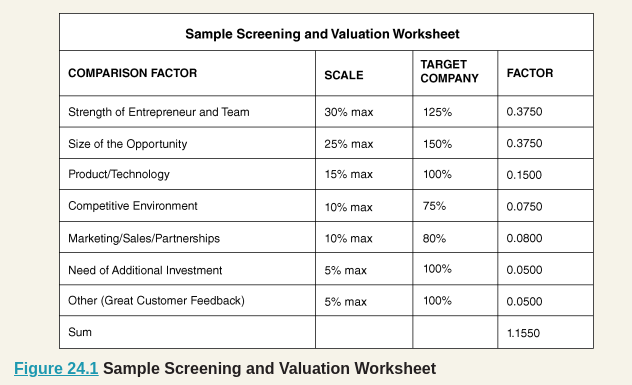
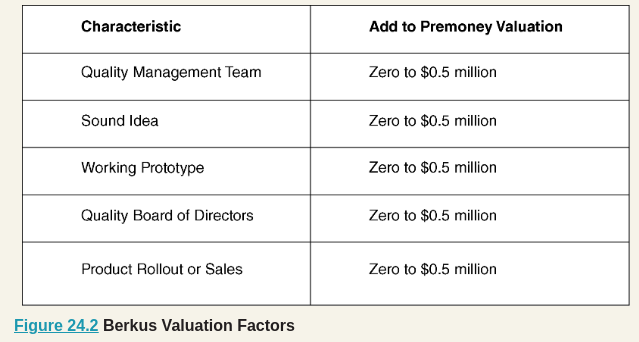
The list of risk types to be considered when using this method includes:…
The list of risk types to be considered when using this method includes:
Management risk
Stage of the business risk
Legislation/political risk
Manufacturing risk
Sales and marketing risk
Funding/capital raising risk
Competition risk
Technology risk
Litigation risk
International risk
Reputation risk
Potential lucrative exit
Going Public
Acquisition
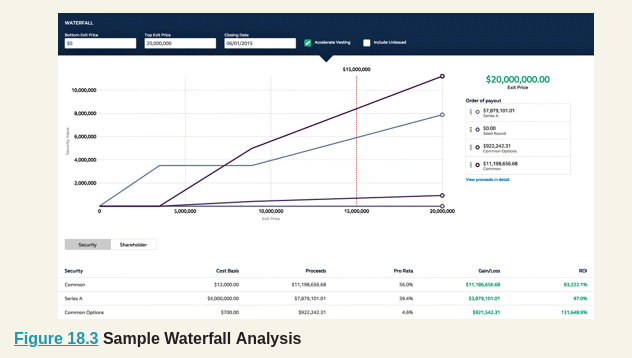
Who Gets What: The Liquidation Waterfall
Chapter 25: Keep Your Eye on the Exit and Reap the Benefits of Success…
Chapter 25: Keep Your Eye on the Exit and Reap the Benefits of Success
This means that, as a founder, you are inevitably going to find yourself with one of three outcomes …
This means that, as a founder, you are inevitably going to find yourself with one of three outcomes for your startup within a period of less than 10 years:
Outcome Likelihood
IPO 0.1%
Acquisition 40%
Out of business 50%
Anything else 9.9%
Going Public
Launching the business into the open market through an initial public offering (IPO) is the exit option that most entrepreneurs dream about. In this scenario, your business becomes a publicly traded company, which means that all of its stock can be bought and sold through the public stock market. If this happens—and if you as the company founder continue to control a sizeable portion of the business’s equity after several investment rounds—your ownership in the company will now be liquid and can be converted into cash at any time just by calling your stockbroker. An IPO can also raise a large sum of capital for the business, thereby facilitating enormous future growth.
The challenge is that an IPO is an extremely complex process, costing an average of $3 million and requiring a large team of lawyers, accountants, and investment bankers,as well as compliance with a host of onerous legal requirements. More difficult, however, is the lengthy, challenging task of attracting interest from Wall Street investment firms through a “road show” in which you present your company’s story scores or hundreds of times. Think of it like as a crowdfunding campaign multiplied 100-fold. Only a tiny fraction of the companies launched in any given year are likely to end up going public—but the handful that do often garner headlines and, in some cases, create great fortunes. In 2016, it would be unrealistic to expect to file for an IPO with revenues of less than $100 million.
Occasionally a startup is acquired for less money than it raised from its investors. As I’ve discuss…
Occasionally a startup is acquired for less money than it raised from its investors. As I’ve discussed, every investment round in a company is made on the basis of extensive paperwork (often upward of 100 pages), with the most important part of the legalese specifying precisely what happens when it comes time to pay out the proceeds (if any) from the sale or dissolution of the company. Since all prior investors sign such agreements (or are otherwise legally bound by them) with every new financing round, there is never any confusion about exactly what will happen under any particular outcome.
Here is the typical payout order, from first to last:…
Here is the typical payout order, from first to last:
Salaries owed to employees
Secured creditors
Unsecured trade creditors
Note holders (convertible and other)
Management carve out (if any)
Senior preferred stock and warrants
Any preference multiple on (6)
Junior preferred stock and warrants
Any preference multiple on (8)
Common stock (including any preferred that converted to common, any exercised options, and all founders’ stock) and common stock warrants
STARTING A U.S. CORPORATION FROM A FOREIGN COUNTRY…
STARTING A U.S. CORPORATION FROM A FOREIGN COUNTRY
É possível vender e começar outro projeto
Vejo com um projeto para a vida toda
Startup Roadmap
05.10.23
Lorem ipsum dolor sit amet, consectetur adipiscing elit
12.06.25
Lorem ipsum dolor sit amet, consectetur adipiscing elit
07.05.24
Lorem ipsum dolor sit amet, consectetur adipiscing elit
03.09.26
Lorem ipsum dolor sit amet, consectetur adipiscing elit
22.02.22
Lorem ipsum dolor sit amet, consectetur adipiscing elit
The continuity of the process
Resistance is everything that prevents the continuity of the work. Self defenses
Build x Destroy
Drives
Strong desire. Power, Potency
Phenomenology of Consciousness.
Unconscious. Repetition
Symptoms, Frustrations, Difficulties, Confusions, Resistances, Losses…
Symptoms, Frustrations, Difficulties, Confusions, Resistances, Losses
Methodology, Toolkit
Process Diagram
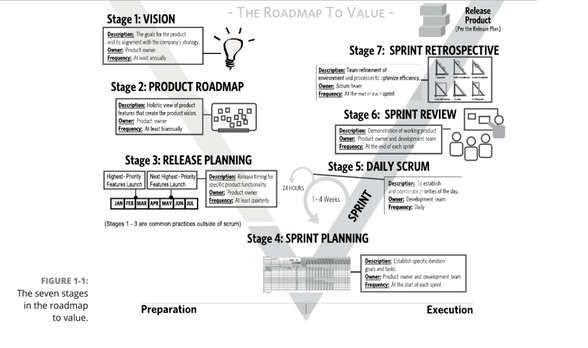
SCRUM methodology.
Dailies, Sprints, Product Catalog
Task Catalog
Delivery and Launch Calendar
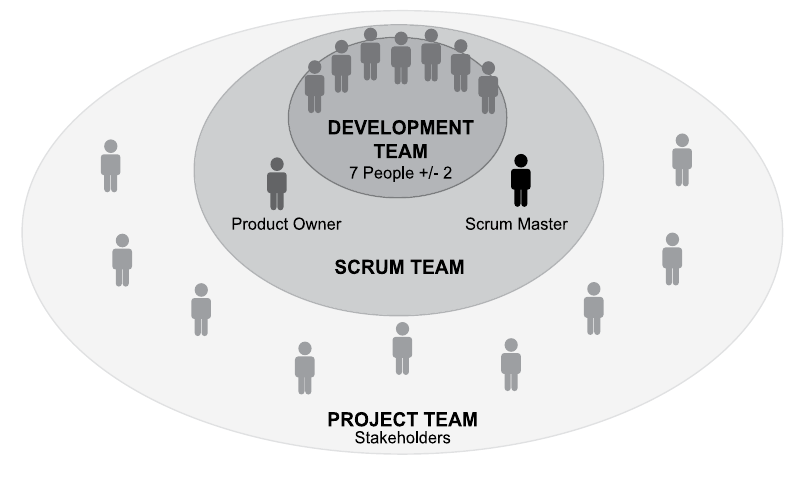
Product Owner, SCRUM Manager, Team Work
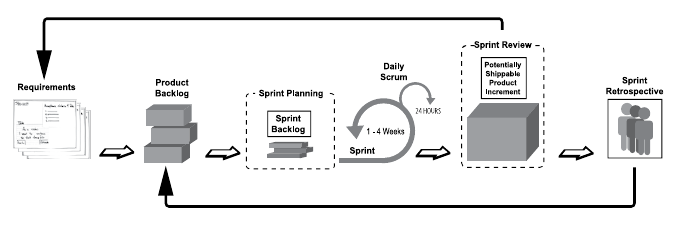
Transition: Current and future processes, step-by-step plan, benefits, challenges, success factors
Software: Asana
Google Calendar, Keep
Ideal-Actual Progress Chart
Working Papers
Culture
Scrum Implementation
Growth Stages
| Jan | Feb | Mar | Apr | May | Jun | Jul | Jul |
|---|---|---|---|---|---|---|---|
Area
Min Product
Culture and Lead
Clients
Clients
Clients